The Irish in America


2 Comments

Ireland Reaches Out: A Visit Home

I saw this item in an email from IrishCentral.com this morning and I had to find out more information…

Irish economist, writer, and broadcaster David McWilliams is behind a project called Ireland Reaching Out, which aims to bring emigrants (and their descendants) back to their home parishes in Ireland for a visit.  This is  a pilot program focusing on thirty parishes in southeast County Galway.  An article in the Connacht Tribune says that the plan is to contact 44,000 emigrants from parishes in places like Gort, Portuma, and Loughrea, and invite them back for a “Week of Welcomes” in June of 2011.

This “Week of Welcomes” will include a program of activities in the parish of origin, including lectures, tours, and samples of local culture, food, and drink.  The hope is that these visits will provide a short-term boost to the local economy as well as promote future investment in the region.
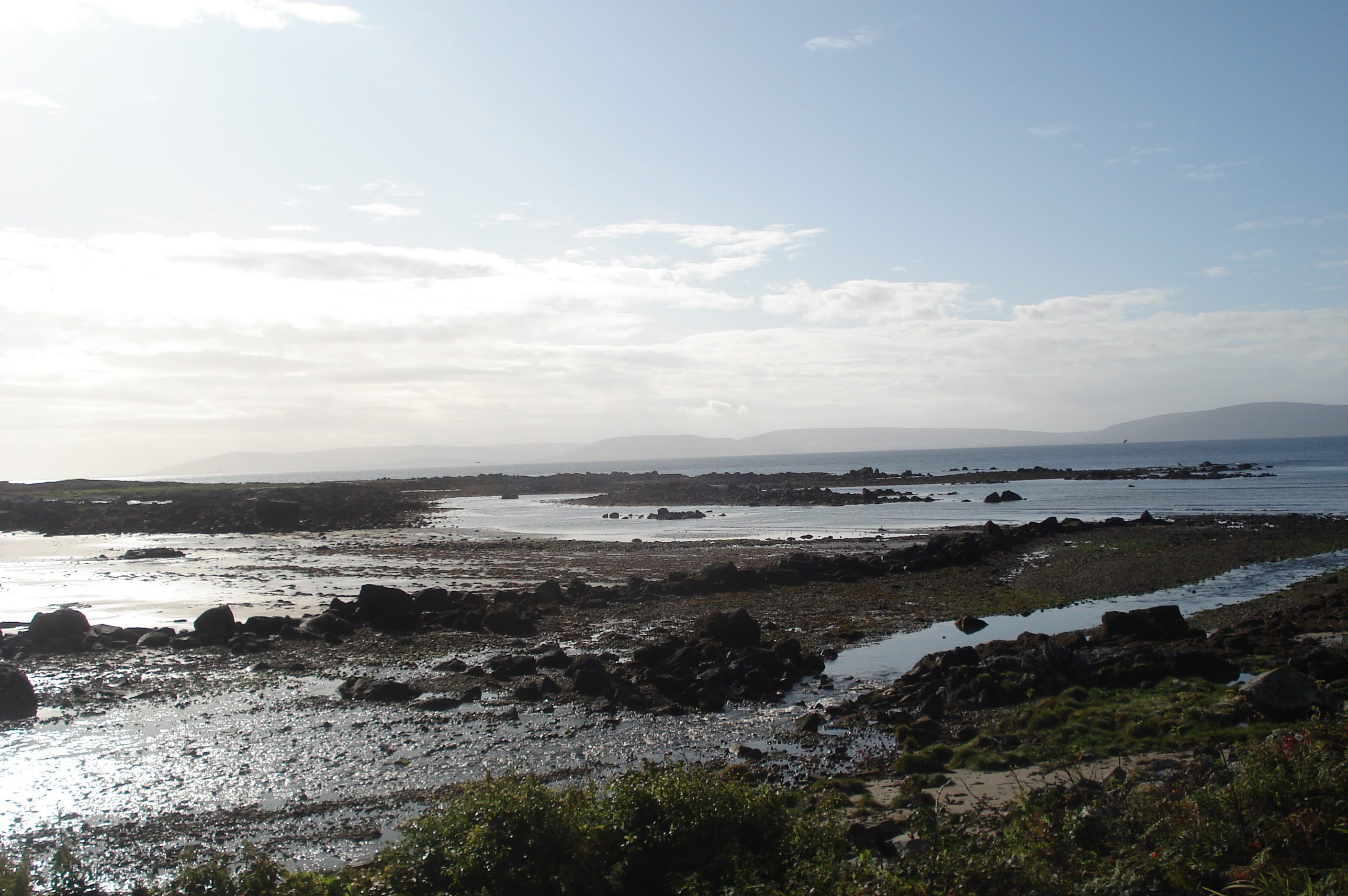
County Galway (2009, Regan McCormack)

I read some comments from recent emigrants who seemed angry and bitter and wanted nothing to do with a program like this.  Maybe for these individuals, their feelings about having to leave home are too raw; the wounds of emigration are too fresh.  I cannot tell you how many times I hear Americans engaged in family history lament that the older generations of immigrants never spoke of Ireland.  In my own family story, all we were ever told was that they came from Cork.  Many, many Irish immigrants in America came from Cork, and practically all of them left from Cork.

Further removed from emigration, you will find Americans eager to make a connection with the place their family came from in Ireland.  Granted, in light of the recent economic downturn Americans may be taking fewer vacations overseas.  But there are Americans who, if given the chance to have a pint at the local pub their grandfather frequented before coming to America, would seize the opportunity to visit Ireland.  I know it sounds a little corny to Irish people, but the attraction of Ireland to Irish Americans is undeniable.  It makes perfect sense for the Irish to capitalize on this pull.  These days it may take more than the Blarney stone to lure American tourist dollars.

Mr. McWiliams describes the program in his own words in his piece on Independent.ie – click here to read the editorial.  In my opinion, the fact that a program like this is underway in Ireland is proof that although the bubble may have burst, the Irish people are using their strengths to imagine their future.  A future deeply rooted in history…that’s nothing new for Ireland, is it?

Near Erke cemetery, County Laois (2009, Regan McCormack)

Next time I will share a bit about our most recent visit home.  By the way, Mr. McWilliams if you are reading this, you must hire my cousins Jimmy and Helen McCormack of Ballyedmond, County Laois as consultants for Ireland Reaching Out. You will have to read my next entry to see why…

Leave a comment

The Young Americans

First Generations Americans      (click to enlarge)

This photo appeared in the December 2008/January 2009 issue of Irish America Magazine.  The following text accompanied the photo:

In March 1864, boyhood friends John Regan and Patrick Foley from Macroom, County Cork, arrived in New York port on the City of Baltimore sailing from Cobh.  They took to life in America quickly and in 1870 both were married.  John Regan married Mary Quinn and they had four sons and two daughters: Cornelius (Neil) , Ellen, John, Patrick, Jeremiah (Jerry), and Mary.  Patrick Foley married Mary Crowley and the couple had four children: Margaret, Timothy, Mary, and John.  After 15 years at work in the mills and machine shops of Fisherville, New Hampshire both families seized the opportunity to move west, own their own land, and raise their families in an Irish Catholic community.  By 1880, the Regan and Foley families were established in Tara Township near Clontarf, Minnesota – active in township government, members of St. Malachy Catholic Church, and proud farmers on land they owned.

This photograph of the sons of John Regan and Patrick Foley – four first generation Americans – captures one of those moments in American history when anything seemed possible.  It is the turn of the twentieth century and Neil, Jack, and Jerry Regan and John Foley look poised to take on what the world had to offer.  Their confidence is palpable and represents the optimism shared by many Americans at the time.

Over the years, confidence waned as youth faded and the realities of life took hold.  This included falling crop prices, farm failures, personal hardships, and economic depression, but on the day this photograph was taken, with cigars pursed in their lips and hats perched jauntily on their heads, these four young men look as if the world is their oyster.

The Regans and the Foleys came together again in the next generation –  Mary Foley  was my grandmother’s mother and Cornelius (Neil) Regan was my grandfather’s father.

(Submitted by Aine C. McCormack, Saint Paul, Minnesota)

Since the photo was published, I have learned that Patrick Foley and John Regan came from Kilmichael Parish in West Cork.

My great-grandfather Cornelius Regan is seated on the left, next to John Foley.  These two men were members of the Ancient Order of Hibernians, a fraternal organization formed in 1838 largely in response to discrimination faced by Irish Americans throughout the country.  These types of organizations became very important for new immigrants from Ireland, as well as to more established Irish Americans.  More to come about these Irish American fraternal societies in a future post…


2 Comments

Family and Emigration

While reading up on Irish emigration, I found an interesting article by County Fermanagh historian John Cunningham on the Cassidy family website.  In the article Mr. Cunningham considers the effects emigration has had on Ireland and the Irish people.  Click here to read the article, which is actually a lecture given by Mr. Cunningham.

Mr. Cunningham uses his own experiences to show how family members who stayed in Ireland felt about emigration.  He tackles the often complex and emotional issue of emigration in a straightforward manner with a bit of humor thrown in for good measure.  I found the account of his mother’s visit to America particularly insightful, as well as the description of the parcels and letters from America.

As his mother learned firsthand, letters home to Ireland often didn’t tell the whole story of the emigrant’s experience in their new home.  Regardless of their accuracy, letters are one of the best resources for learning about your emigrant relative by providing tangible evidence as to where the relative lived, possibly where they worked, or names of spouse and children.  Consider yourself lucky if you have an emigrant letter!

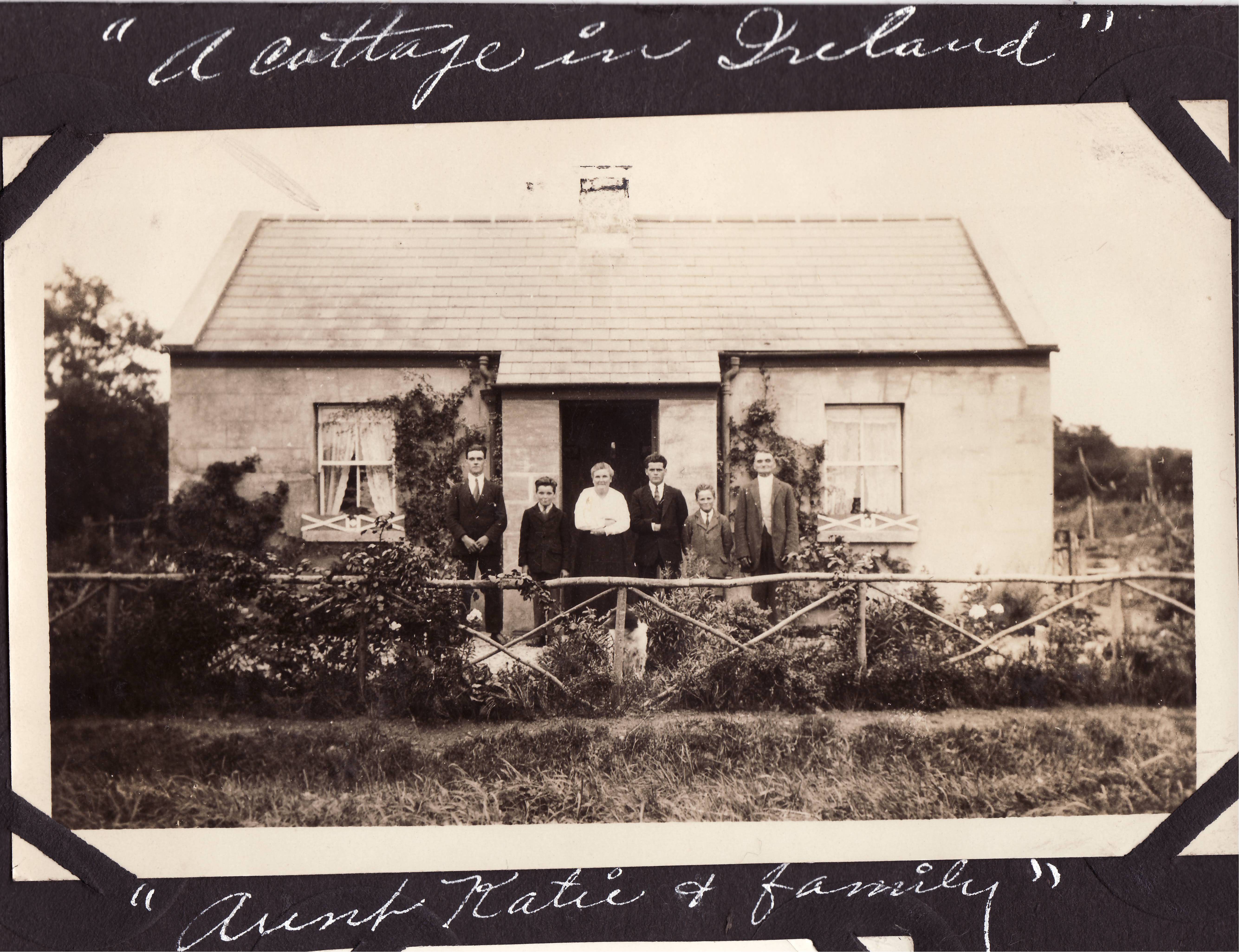
My great-grandmother came to the United States in 1899, joining an older sister who had arrived six years earlier.  A sister and a brother remained in Ireland, and one sister has previously emigrated to Manchester, England.  Unfortunately, no letters survive (on the American side) from relatives at home, but there are a few postcards, greeting cards, and photographs that were sent to my great-grandmother and her sister.  The following photograph was included in an album belonging to a niece of my great-grandmother who lived in Montana, USA.

John and Catherine (Hill) Howe Family, Johnstown Co. Kildare

John and Catherine (Hill) Howe Family - Johnstown, Co. Kildare (courtesy of M. Jeffrey Harshman)

Among the few items belonging to my great-grandmother is a sweet little Christmas card from her sister Katie (Catherine, pictured above), as well as a torn and tattered photo postcard depicting a Whitsunday parade.  It is intriguing to see what pieces of someone’s life survive for later generations.  These bits and pieces have helped us learn a great deal about my great-grandmother’s life before she came to America.

So, if you don’t have a letter, all is not lost in your quest for information about your emigrant relative.  Letters can make the initial search easier, but other information can prove to be as useful.

I invite you to share your family’s emigrant stories by leaving a comment!  Let me know what clues you have, and I will help you begin your search for information on your relative.  If you think you don’t have any information to go on, but really want to learn about what may have happened to a relative, you should leave a comment, too.  We never know what we will find when we start looking!